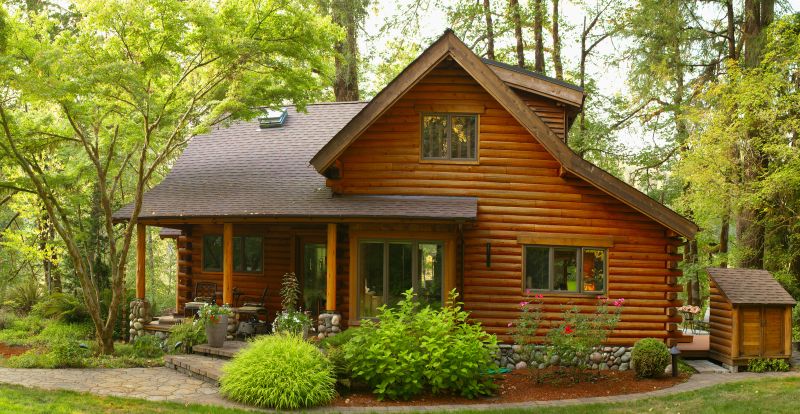
Log Home Weatherproofing in Seattle, WA
Log home weatherproofing services focus on enhancing the protection and durability of wooden structures against the elements. These services typically include sealing, staining, and applying protective finishes to prevent water infiltration, reduce weather-related wear, and preserve the natural beauty of the wood. Projects may involve treating entire homes, specific exterior features such as decks or log walls, and addressing areas prone to moisture exposure or sun damage. Homeowners often seek weatherproofing to extend the lifespan of their log homes, improve energy efficiency, and maintain their property's aesthetic appeal.
Before requesting weatherproofing services, property owners usually want to understand the scope of work needed for their specific structure, including the current condition of the wood and any previous treatments. It’s helpful to consider factors such as the local climate, exposure to sun and rain, and the age of the logs or wood surfaces. Clarifying the types of finishes or protective products used, as well as the recommended maintenance intervals, can ensure the project aligns with long-term preservation goals. Proper preparation and understanding of the process can contribute to achieving the best results for a durable, weather-resistant log home.
Many property owners in Seattle, WA look into Log Home Weatherproofing for repairs, replacements, upgrades, and appearance-related improvements.
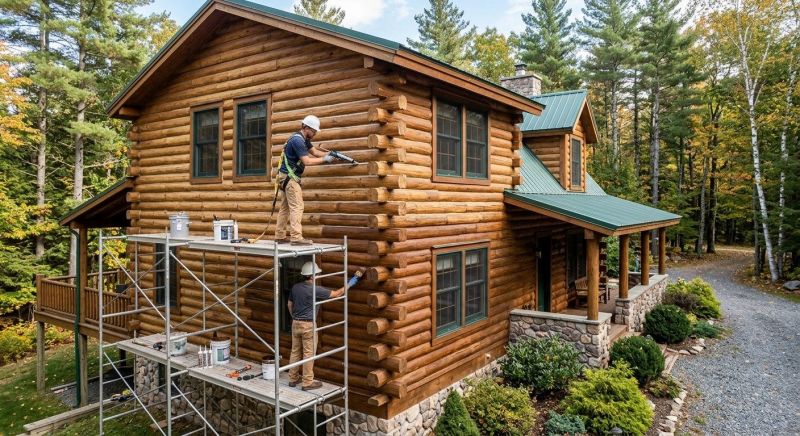
Protecting Log Homes From Moisture
Weatherproofing helps prevent water damage and extends the lifespan of log structures in seattle's climate.
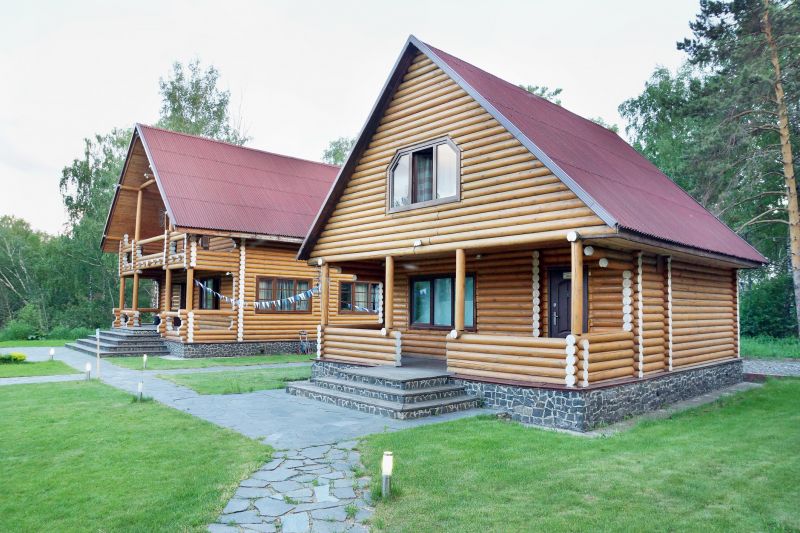
Enhancing Energy Efficiency
Proper sealing and treatment can improve insulation and reduce energy costs for log home owners.
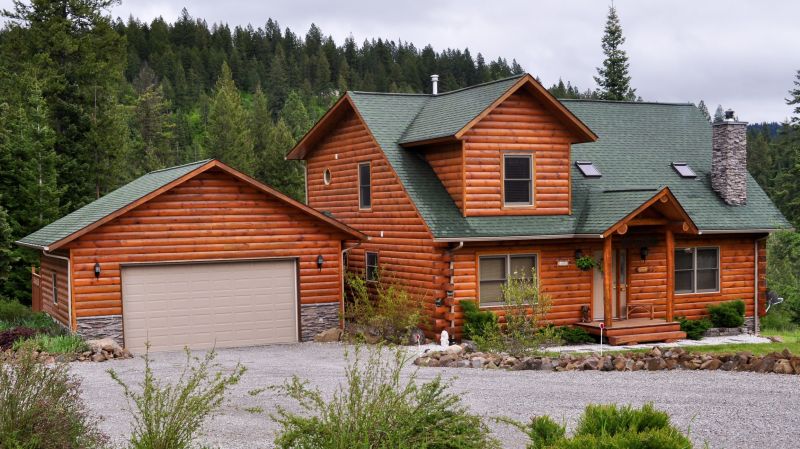
Maintaining Log Home Appearance
Weatherproofing preserves the natural look of logs while safeguarding against weather-related wear and tear.
Log Home Weatherproofing in Seattle, WA
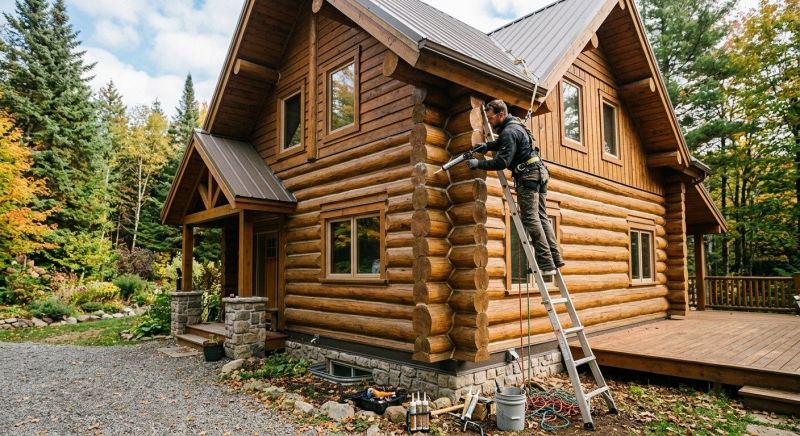
Log home weatherproofing services focus on enhancing the protection and durability of wooden structures against the elements. These services typically include sealing, staining, and applying protective finishes to prevent water infiltration, reduce weather-related wear, and preserve the natural beauty of the wood. Projects may involve treating entire homes, specific exterior features such as decks or log walls, and addressing areas prone to moisture exposure or sun damage. Homeowners often seek weatherproofing to extend the lifespan of their log homes, improve energy efficiency, and maintain their property's aesthetic appeal.
Before requesting weatherproofing services, property owners usually want to understand the scope of work needed for their specific structure, including the current condition of the wood and any previous treatments. It’s helpful to consider factors such as the local climate, exposure to sun and rain, and the age of the logs or wood surfaces. Clarifying the types of finishes or protective products used, as well as the recommended maintenance intervals, can ensure the project aligns with long-term preservation goals. Proper preparation and understanding of the process can contribute to achieving the best results for a durable, weather-resistant log home.
Many property owners in Seattle, WA look into Log Home Weatherproofing for repairs, replacements, upgrades, and appearance-related improvements.
Common Log Home Weatherproofing Jobs
Log home weatherproofing - protects the structure from moisture, wind, and temperature fluctuations.
Chinking and sealing - fills gaps and cracks to prevent drafts and water intrusion.
Exterior stain and finish - adds a protective layer against weather-related wear and UV damage.
Roof and gutter sealing - ensures water is directed away from the home to prevent leaks and damage.
Foundation and sill plate protection - shields vulnerable areas from moisture and soil contact.
Window and door flashing - improves sealing to reduce air leaks and improve energy efficiency.
Log Home Weatherproofing Questions
Why is weatherproofing important for log homes? Weatherproofing helps protect log homes from moisture, decay, and damage caused by the elements, extending the lifespan of the structure.
What types of weatherproofing treatments are available? Treatments include sealants, stains, and finishes designed to repel water and prevent cracking or splitting of logs.
How often should a log home be weatherproofed? Regular inspections are recommended to determine when reapplication is needed, typically every few years depending on exposure and product used.
Can weatherproofing improve the appearance of a log home? Yes, many treatments enhance the natural look of logs while providing protective benefits, maintaining or improving curb appeal.
Request Log Home Weatherproofing in Seattle, WA
Use the quote form on this page to share the basics of your project and request more information for the type of work you need.